
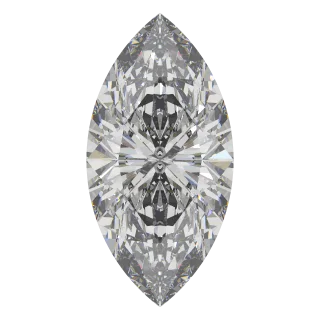
Australians have embraced lab-grown diamonds, from engagement rings in Sydney and Melbourne to everyday studs in Perth and Brisbane. Here is how to choose where to buy.
National jewellery chains
Well-known chains, including Michael Hill and Pandora, sell lab-grown diamond collections in Australia. Pros: convenient, easy returns, in-store viewing. Cons: mostly ready-made designs; limited choice of individual loose stones.
Independent jewellers
Sydney's CBD, Melbourne's Collins Street and many suburban jewellers offer bespoke design with lab-grown centre stones. Pros: personal service, custom design, local after-care. Cons: prices vary, so compare quotes on the same stone specification.
Online retailers
Pros: thousands of certified stones, with videos and reports. Cons: you rely on photos, so check return policies and delivery times carefully.
Direct from the manufacturer
Pros: closest to the source, full control over specifications and pricing. Ideal for jewellers and for buyers who know exactly what they want. Cons: more of the process (shipping, customs) sits with you.
What to check
- The stone is described as lab-grown / laboratory-grown.
- An IGI or GIA report for any centre stone, with a verifiable number.
- Metal quality: 9K, 14K or 18K gold are all common in Australia. Choose 14K or 18K for rings worn daily.
- Warranty, resizing and return policies.
Buying from India
Under the India–Australia ECTA, in force since 29 December 2022, Australia gives zero-duty access to most Indian exports, including gems and jewellery. GST still applies on imports, so check current thresholds and charges with your courier.
For Australian jewellers
Want your own lab-grown range? Read sourcing duty-free from India or see our price list.

