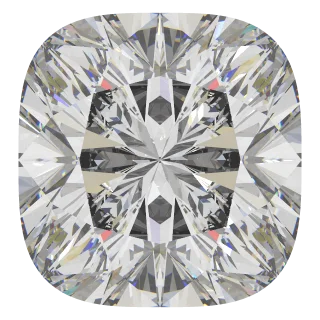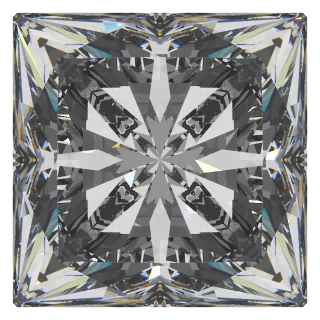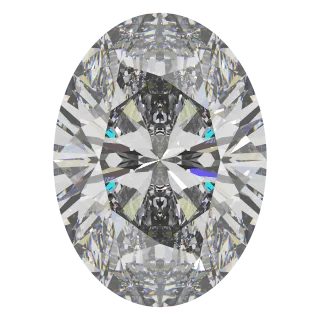
A lab-grown diamond is not a simulant or an imitation. It is pure crystallised carbon with the same chemical, physical and optical properties as a diamond formed underground. The difference is where and how quickly it grows.
It all starts with a seed
Both growing methods begin with a diamond seed: a very thin slice of diamond that acts as a template. Carbon atoms attach to the seed and continue its crystal structure, layer by layer.
CVD: Chemical Vapour Deposition
In CVD, seed plates are placed in a sealed vacuum chamber filled with a carbon-rich gas such as methane, mixed with hydrogen. Microwave energy heats the gas into a glowing plasma, which breaks the gas molecules apart. The freed carbon atoms rain down onto the seeds and bond to them, slowly building up a square-shaped rough crystal over several weeks.
HPHT: High Pressure, High Temperature
HPHT recreates the conditions deep inside the Earth. A seed is placed with a carbon source and a metal catalyst inside a large press, which applies enormous pressure and temperatures of well over a thousand degrees Celsius. The carbon dissolves in the molten metal and crystallises onto the seed.
From rough to polished
Whichever method is used, the result is a rough diamond. From here the journey is exactly the same as for a mined stone:
- 3D scanning and planning to find the best possible polished diamond inside the rough
- Laser sawing and shaping
- Cutting and polishing each facet by hand and machine
- Independent grading and certification
That final craft is where a diamond's beauty is decided, and it is where our Surat team focuses its expertise.